


Views: 26 Author: Lucian Publish Time: 2026-10-13 Origin: Site


AUKE CLEANING BASKETS
Water trapped in blind holes, damp marks on support contact areas or slow drying in the middle of a batch each require different fixes. Figure out how your basket loading setup impacts drying performance before you place an order for a new basket.
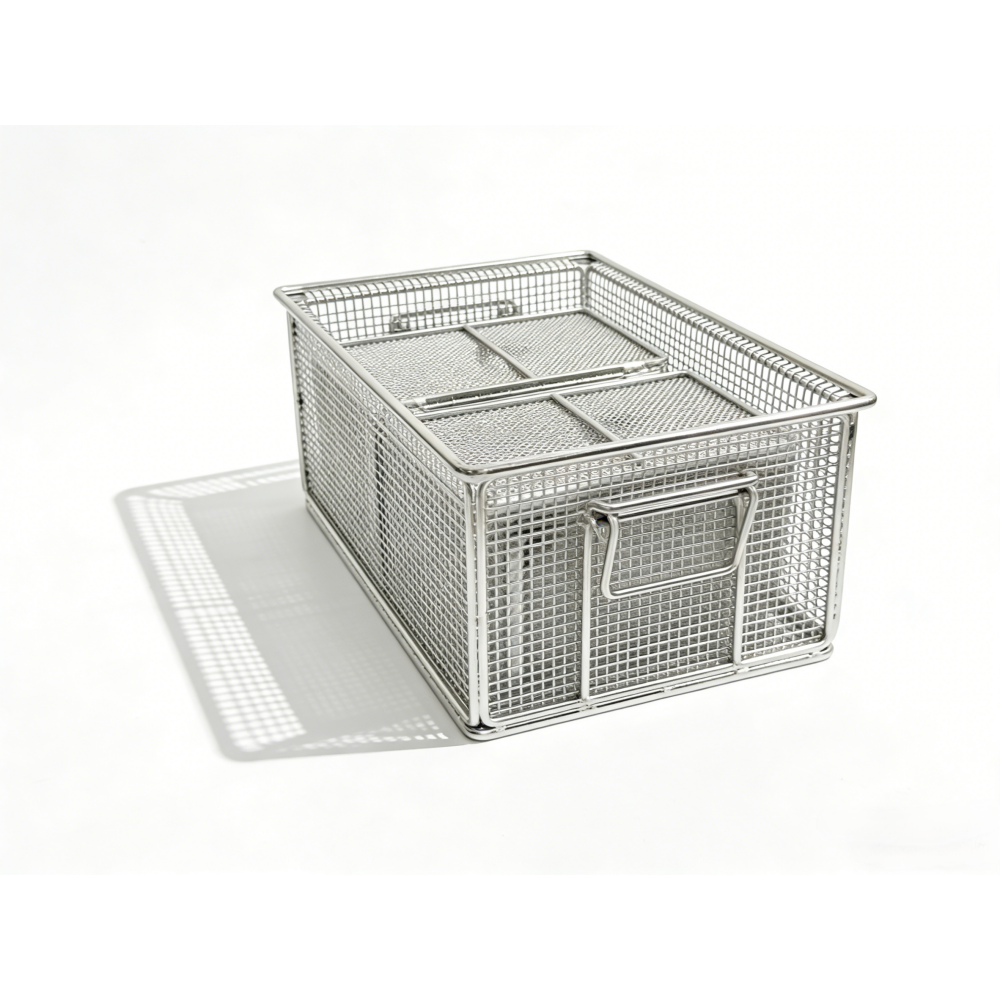
Most parts come out dry after the wash cycle, but some still hold moisture and cannot go straight to packaging or assembly. For process engineers, these recurring wet spots are clues pointing to root issues. For production teams, leftover moisture means extra manual handling, re-running drying cycles and delayed part release.
Your cleaning basket holds components steady while liquid drains and the machine runs its drying phase. Basket supports and custom inserts can face cavities upward or block surfaces, trapping moisture. When designing for drying, you need to target confirmed bottlenecks. Simply seeing water droplets on a part does not automatically mean the basket design is faulty.
When it makes sense to modify your basket: Adjusting part tilt angle, support contact location or component spacing consistently eliminates wet areas, without creating new risks such as lost small parts or poor cleaning results.
Extending drying time can get your batch out the door, yet it will never reveal why certain spots keep staying wet. Before comparing different basket designs, check what the residue actually is. Free liquid, oily film or dried deposits all need separate troubleshooting approaches.
Run controlled tests on your existing cleaning machine. Only change one loading variable at a time. Keep cleaning recipes, incoming part condition and inspection timing consistent. Record every change you make. Repeat the test multiple times before you conclude that the basket adjustment caused the improvement.
Test a different part orientation that lets water flow out naturally. If this orientation delivers reliable drying, custom supports can lock parts in this optimal angle.
Move support contact to another safe surface of the part. If the wet patch shifts together with the support, repositioning supports is the right solution.
Try wider spacing between parts. Better drying results point to load arrangement issues. Note that reducing part quantity also changes thermal load, so you cannot attribute improvements solely to airflow.
If wet results fluctuate even with unchanged basket loading, contact your equipment vendor before ordering a replacement basket. Air supply, temperature, vacuum performance and cycle stability can also leave parts damp. Consistent wet areas do not rule out equipment-related causes.
Blind holes easily collect liquid when their openings face upwards. Tilting the part can drain water before drying starts, provided the cavity has a natural exit path. Cross holes and internal shoulders may need repositioning during machine movement.
If angling parts works well in trials, shaped custom inserts can maintain this position more reliably than manual placement. The selected angle still needs to allow cleaning fluid to reach all surfaces, secure parts during rotation and fit under the machine lid. Tilting parts for drainage is not a complete fix if air gets trapped during immersion.
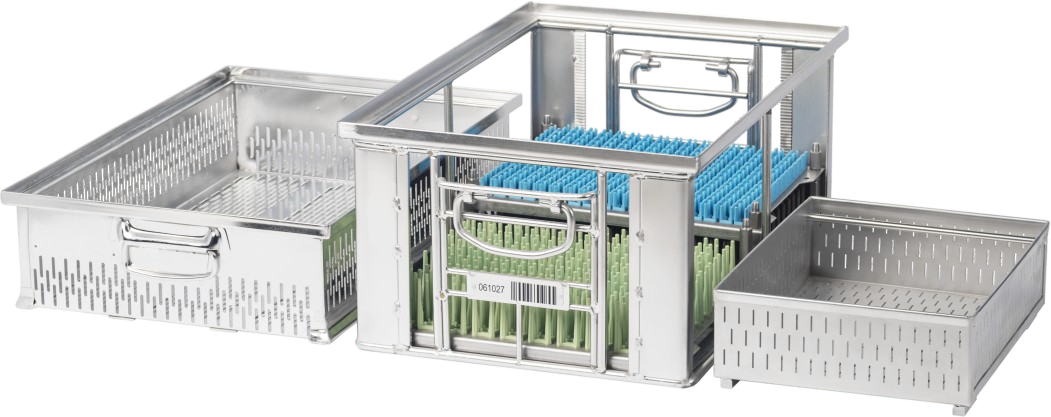
This assembly combines separate trays and internal supports inside an outer carrier frame. In custom designs, inserts control part orientation while the outer frame maintains compatibility with your washing machine. You still need part drawings and loaded testing to confirm if a drying angle works for your application.
Hot air drying relies on airflow reaching wet surfaces and carrying moisture away. Dense packing of parts blocks this air exchange.
Vacuum drying uses low pressure to speed evaporation. It works best when pooled liquid drains out first. It still requires proper temperature, pressure and cycle time to finish drying.
Wide support contact areas trap thin water films between parts and supports. Enlarging mesh openings elsewhere cannot dry these hidden contact patches. Moving supports to non-critical surfaces of the part creates a clean comparison test.
If wet spots shift to follow the new support location, support shape is the root cause. Narrower contact strips or saddle-style supports often help. But there is a trade-off: smaller contact points create higher local pressure and may reduce stability, especially for heavy components.
If wet marks stay on the same part surface after you relocate supports, contact points are not the main issue. Recessed areas, surface residue or uneven airflow may be the problem. Run further investigation before you order new supports.
AUKE custom basket solutions include redesigned internal supports and adjusted part spacing. Send us photos and we can map contact zones and spot potential airflow blockages. We evaluate options against approved contact zones before proposing changes. Photos alone cannot prove drying performance in your actual process.
You can start the discussion simply with photos. Share pictures of wet areas, your loaded basket, and tell us whether you use hot air or vacuum drying. We can refine detailed basket dimensions once we identify the most promising solution.
Email photos to linda@auke-bott.comAir flows through the full assembly: outer mesh, inner basket walls, dividers and stacked parts. A generously sized mesh on the outer frame tells you nothing about the tight gaps between loaded components. Before you widen outer mesh holes, examine the structures closest to wet surfaces.
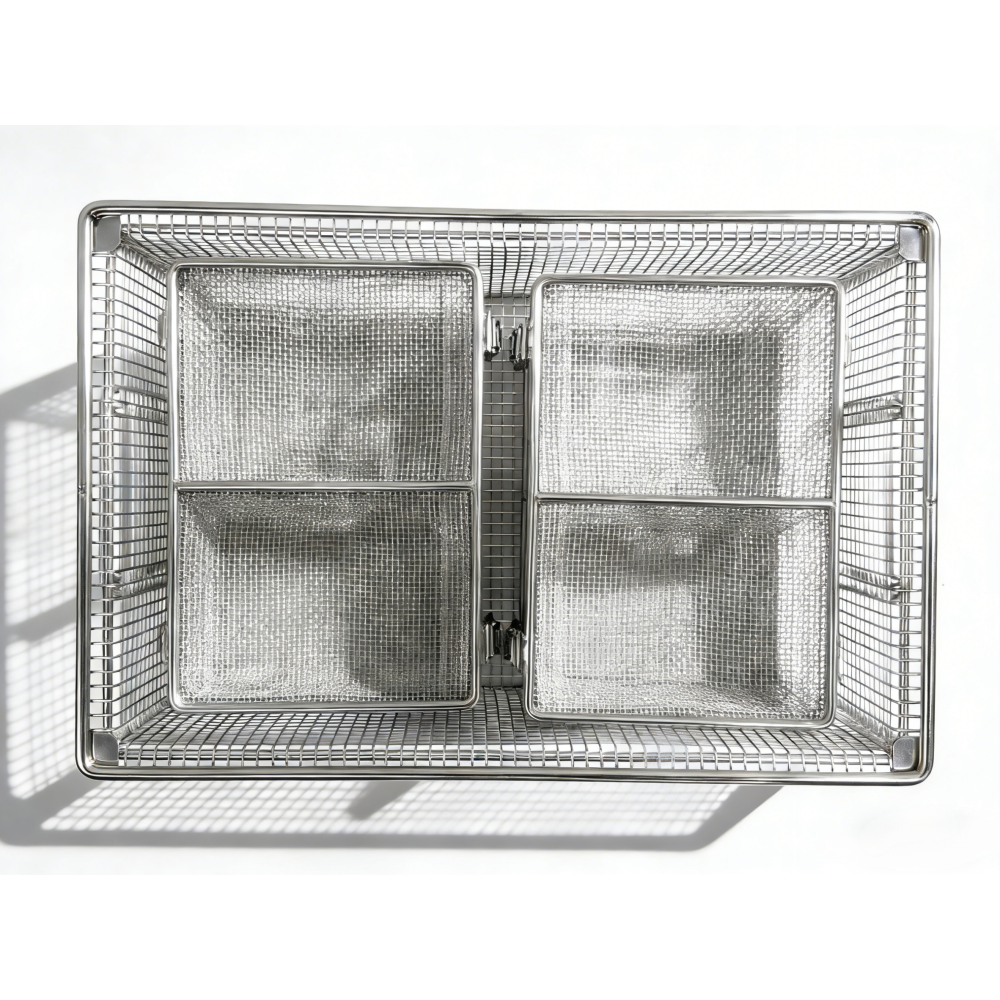
This photo shows two separated inserts without parts installed. Once loaded, the gaps between components and these mesh walls heavily impact airflow. The picture shows construction only; it cannot measure airflow restrictions.
Wider part spacing or staggered placement can improve airflow for sheltered surfaces. Any design change must keep small parts secured, maintain stable handling and preserve full cleaning access.
For procurement teams, the key KPI is good parts output per hour, including extra drying time and manual touch-up work. A smaller batch size that requires zero rework can deliver higher productivity than a larger load that needs repeated drying cycles. Track wet parts per basket and extra drying time to calculate real cost savings.
When repeated testing consistently fixes your wet-part issue, you get a clear design target for your basket supplier. Before prototype manufacturing, supply part drawings or samples, production quantity, loaded weight and your cleaning machine working envelope, so we finalize support geometry and clearances.
Engineering drawings should document the features driving performance gains: part tilt angle, contact point location or gap spacing. Bending and welding distortion can shift these critical dimensions. Agree finished tolerances and inspection standards with your supplier. One successful prototype run is not enough to guarantee stable mass production.
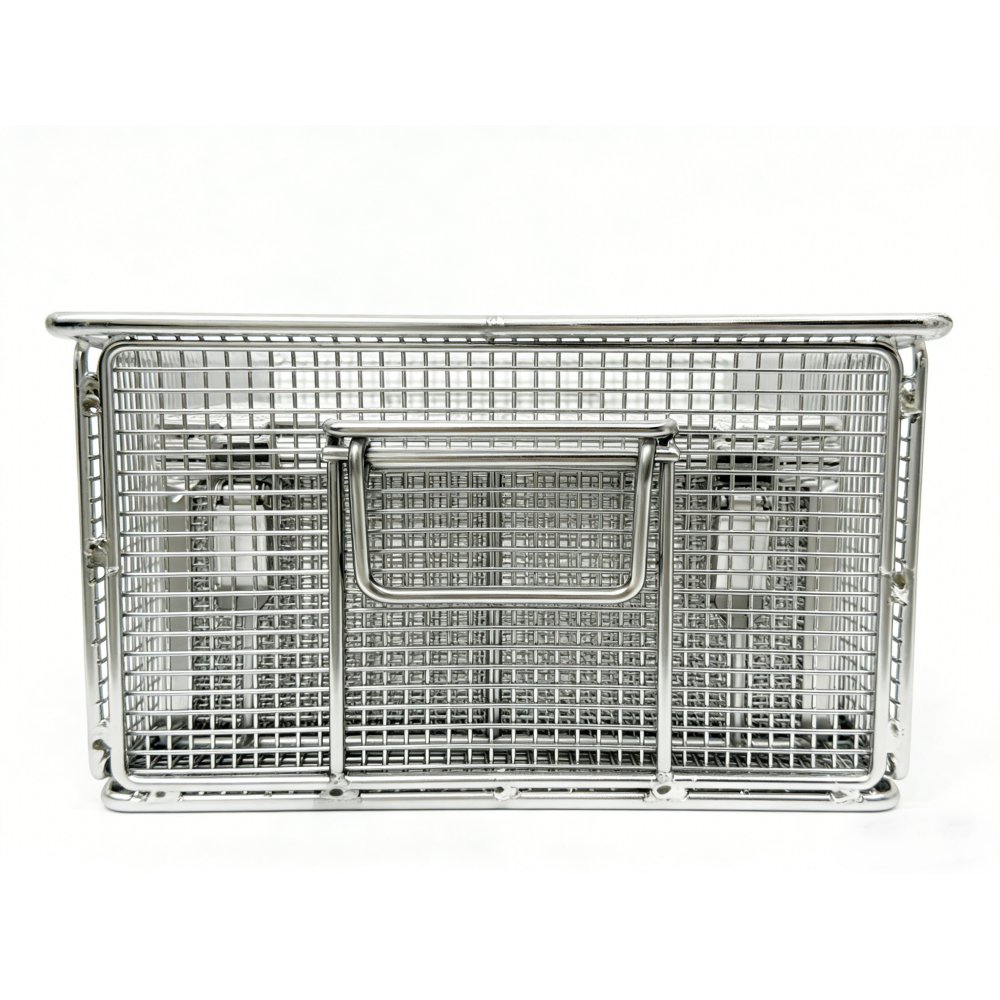
This side view displays the assembled basket frame and closed lid. If inserts tilt parts at a steeper angle, check that the total loaded height still clears the machine lid and internal cavity. Verify this dimension on finished samples.
No. It just tells you where to investigate. If controlled geometry changes deliver consistent drying improvement, then modifying the basket becomes justified.
Discuss process adjustments with your equipment supplier. If cavities trap free liquid, test a draining-friendly part orientation before deciding longer cycle time is your long-term solution.
It may well work, as long as it fixes the confirmed bottleneck and your existing outer frame still fits your parts and machine. Full basket replacement is only required for separate major issues.
Yes. Photos plus your drying method are enough to kick off a conversation. Complete drawings, load specs and machine dimensions will be needed later when we design samples.
Send photos of wet areas and your loaded basket, plus tell us your drying method. We’ll identify basket design options and list dimensions required to build your custom solution. Final performance validation still needs real trials on your cleaning equipment.
Email Your Basket PhotosPrefer an enquiry form? Contact AUKE
By AUKE Engineering Team


