Views: 16 Author: Lucian Publish Time: 2026-09-21 Origin: Site


A quality engineer investigating brown marks or isolated pits on a cleaning basket needs more than the words 304 or 316. The useful question is what touched the finished basket, at what concentration and temperature, for how long, and what remained on the metal between cycles.
That is the starting point for choosing stainless steel cleaning basket material. If the exposure is reduced to a chemical name, the most aggressive part of the cycle can disappear from the specification. The basket may look sound during acceptance and begin staining later at a weld, under a divider or where liquid dries repeatedly.
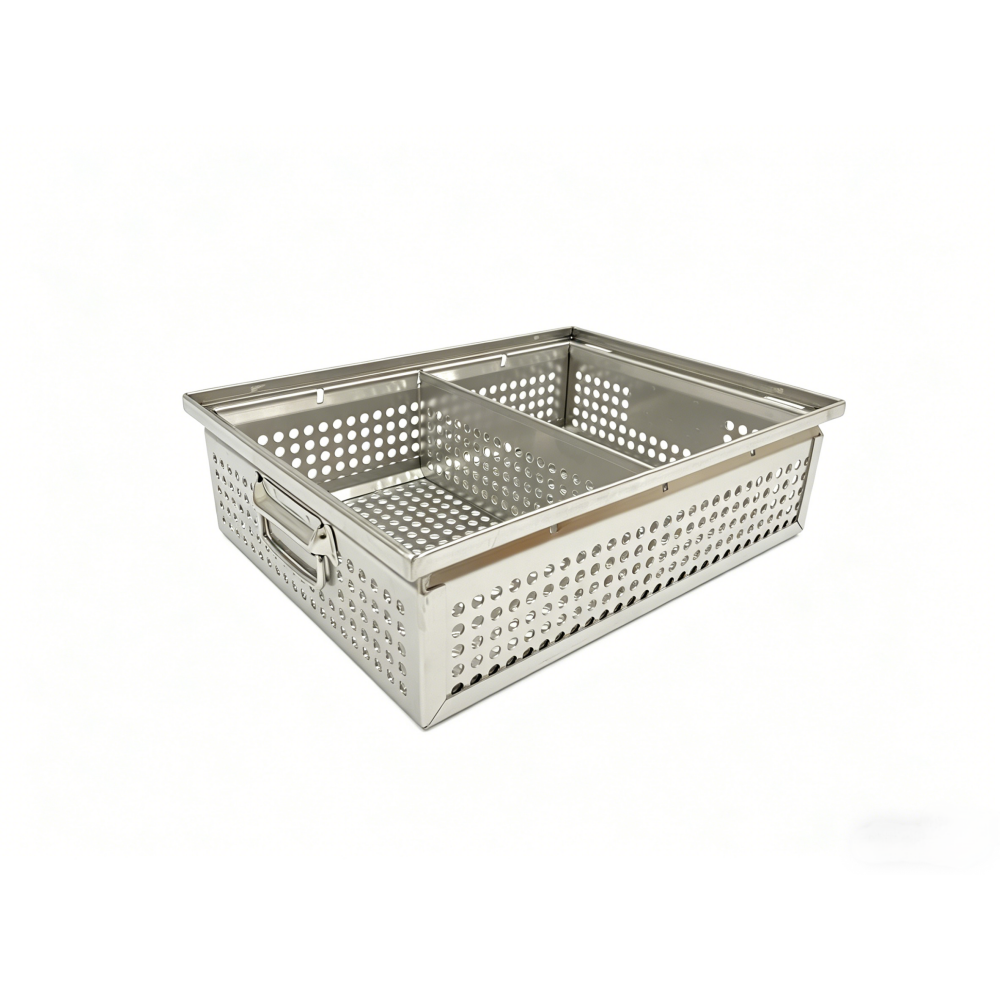
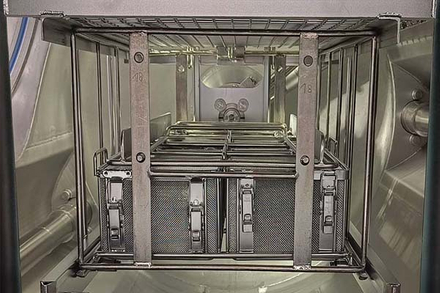
The basket carries parts into the cleaning medium, keeps them contained while liquid and ultrasonic energy reach their surfaces, and allows the chemistry to drain before rinsing or drying. Its wires, perforated sheet, frames and dividers are process-contact surfaces. They are exposed every time the parts are exposed.
This matters because corrosion products or loosened deposits from the basket can return to cleaned parts. A material problem is therefore not limited to basket appearance. It can create part staining, additional cleaning, an interrupted release or uncertainty over whether the contamination came from the component or its carrier.
Two lines can use products from the same chemical family and give a stainless basket very different service. Working concentration may differ. One process runs warm and drains immediately; another runs near its upper temperature and leaves loaded baskets wet during a shift change. Those details change the severity of exposure.
We map the exposure as a cycle instead of assigning a grade from the detergent label. We compare the normal cycle with the worst credible wet condition, then place the known values and unanswered items on the material discussion sheet. These values, together with any failure photographs, give that discussion a defensible basis.
A common specification gap
The bath may be described at its normal operating concentration while residue in a slow-draining crevice becomes more concentrated as water evaporates. The basket must be discussed against that local condition, not only the average condition in the tank.
Uniform sheet and wire do not remain uniform after cutting, forming and welding. Heat tint around a weld shows that the surface oxide changed during fabrication. Tight overlaps can hold liquid. Grinding media or work surfaces previously used on carbon steel can introduce contamination that later appears as rust-colored staining.
These locations do not automatically make a basket unsuitable. They identify where grade selection, joint design and post-fabrication treatment have to work together. We locate likely retention points on the structure, define accessible joints where practical, and record the required post-weld condition on the production drawing.
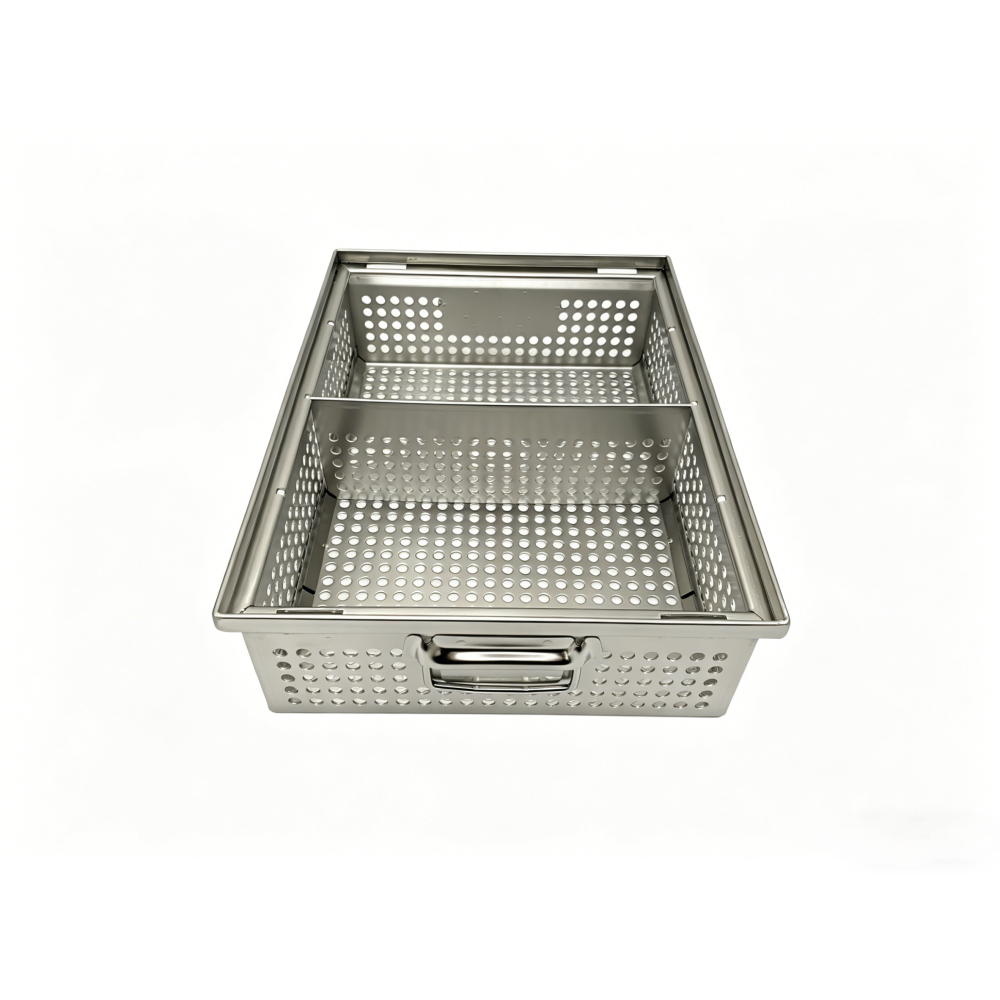
STRUCTURE EVIDENCE
Divider contacts, folded edges, frame intersections and flat lower surfaces deserve attention because they can slow drainage or shield residue from the rinse.
For purchasing, this means the drawing should identify the joint form and finish condition, not list only the raw material grade.
Post-fabrication treatment deals with the condition of the surface. It does not turn an unsuitable base grade into a suitable one. Keeping those two decisions separate prevents an attractive finish from being mistaken for chemical compatibility.
Removes fabrication residue and visible contamination around worked areas. The required method depends on the agreed finish and joint access.
Can restore a clean stainless surface after fabrication when the specified process is appropriate. It does not remove a crevice from the design.
Produces a smoother, cleaner surface and can help reduce residue attachment. It cannot compensate for the wrong grade or liquid trapped in a closed joint.
A finish requirement should therefore name the expected result and the areas to which it applies. “Electropolished” without a material grade, fabrication condition or acceptance reference leaves too much room for different interpretations.
Type 316 stainless steel generally offers better resistance than 304 in some chloride-bearing conditions because of its alloy composition. That distinction is useful, but it is not permission to ignore temperature, concentration, pH, joint geometry or deposits. Either grade can be discussed badly if the service condition is vague.
When the supplied chemistry falls outside a clear material basis, AUKE does not replace the chemical supplier or corrosion specialist with a guess. We identify the missing exposure data, ask the customer to obtain a compatibility position from the chemical supplier, and define a representative coupon or basket trial when the project requires physical evidence.
MATERIAL DECISION BOUNDARY
AUKE can translate the operating cycle into basket design, finish and documentation requirements. The chemical supplier or qualified corrosion authority should confirm compatibility where the chemistry demands specialist judgment.
That boundary protects the buyer from a confident material claim built on incomplete process information.
A short, complete input sheet is more useful than a long email exchange about grade preference. Record the normal cycle and the worst credible condition. If a value is unknown, label it unknown rather than replacing it with an estimate.
1. Chemical product name and current safety data sheet
2. Working concentration and pH range
3. Normal and maximum temperature
4. Immersion time and cycles per shift
5. Rinse water and drying sequence
6. Longest wet idle or shutdown condition
7. Soil carried in on the components
8. Existing stain or pit location photographs
Start with the exposure, not a preferred grade
Send AUKE the completed conditions, component drawing, basket load and required documentation. We will map the basket's wet locations, identify open material questions and propose a material, finish and trial basis for discussion.
A satisfactory sample does not preserve its own material identity. The purchase drawing and order documents need to state the agreed grade, relevant material record, joint construction, post-weld condition and surface treatment. Critical requirements should be measurable or supported by named records.
For repeat orders, AUKE records the material callout and construction details that affect the exposure. Our production team maintains the defined joint form and finish route, while the inspection record connects the finished batch to the drawing requirements. Any proposed substitution returns to the exposure basis before it reaches production.
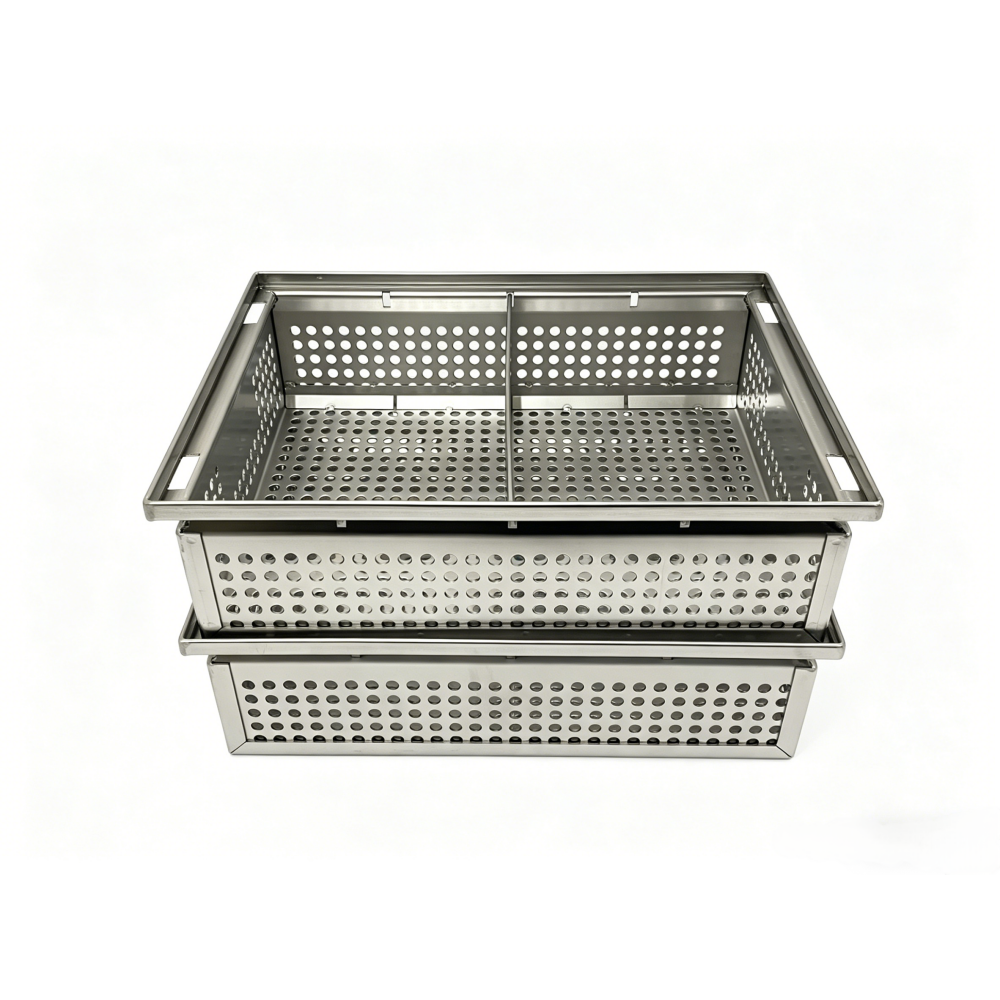
REPEAT-PRODUCTION EVIDENCE
Material identity, divider joints, formed edges and finish route should not depend on how one sample happened to be made.
A controlled drawing and named production records give purchasing and quality teams a basis for comparing later batches with the accepted design.
No. Add working concentration, pH, normal and maximum temperature, immersion time, rinse and dry steps, wet idle time, and contamination carried in by the parts.
No single grade suits every chemical condition. Type 316 can improve resistance in some chloride-bearing environments, but temperature, concentration, deposits and joint design still affect performance.
No. Electropolishing can improve surface smoothness and cleanliness, but it does not change the base alloy or remove the risk created by trapped chemistry in a poor joint.
The approved drawing and order should state the grade, required material record, joint construction, post-weld condition, surface treatment and any agreed representative exposure trial.
Define the exposure before production
Share the operating conditions, chemical product and safety data sheet, concentration, temperature range, cycle time, rinse and drying sequence, wet idle condition, component soil and required records. We will identify the material, joint, finish and trial questions that should be resolved for your custom cleaning basket.
Discuss Basket MaterialBy AUKE Engineering Team